
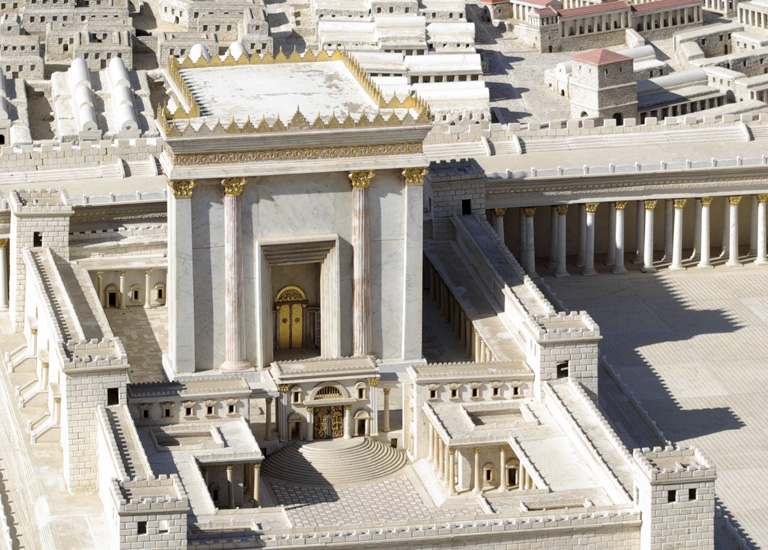
Tomorro w, July 16, my Jewish friends and family members will commemorate one of the saddest days of their calendar year—Tisha B’Av. It’s a day of fasting and mourning to remember the destruction of God’s Temple in Jerusalem. On the ninth day of the month of Av in 586 BC, the Babylonian army destroyed the temple that King Solomon built, razing it to the ground. The surviving Jews were carried into captivity in Babylon. In my newest novel, Return to Me, I tell the story from the book of Ezra, of how the Jews returned from exile 70 years later and rebuilt God’s temple.


 In my new non-fiction book, Pilgrimage; My Journey to a Deeper Faith in the Land Where Jesus Walked, I needed a few chapters to express the multitude of emotions I felt when I visited the Kotel. One thing that impressed me was the resilience of the Jewish people, who still come to pray and worship the God of Abraham after everything they’ve endured throughout the centuries. This half-broken remnant of their destroyed temple seems like such a fitting emblem of their unquenchable faith.
God’s temple is gone—and yet it isn’t. “Don’t you know that you yourselves are God’s temple and that God’s Spirit lives in you?” (1 Corinthians 3:16). As Christians, we carry the Holy Spirit with us wherever we go. And 1 Peter 2:5 says that “you also, like living stones, are being built into a spiritual house.” A “living stone” is one that has been quarried and chiseled and cut to fit a specific place in a building. Whenever I feel those deep cuts, I like to picture Jesus the carpenter chiseling away at all my rough edges so I will fit into the place He has chosen for me in His new temple.




1 comment
Good web site you have got here.. It’s hard to
find excellent writing like yours these days.
I honestly appreciate individuals like you! Take care!!
Comments are closed.